It usually starts as a sound. A drip that has become a trickle, a hiss behind drywall, the soft give of a carpet that should be dry underfoot. By the time a homeowner in Prescott Valley reaches for a flashlight at two in the morning, the supply line under the sink has already been failing for hours, and the water has gone where water goes — down, sideways, into the subfloor, along the bottom plate of a wall, into the places no towel will reach. The first hour after a leak is the one that decides how much of the next month a family loses to it.
Water does not wait for a convenient time, and it does not wait for an appointment. That is the simple, unglamorous premise behind 1-800 Water Damage of Prescott & North Scottsdale, a restoration company that works out of a suite on East Florentine Road in Prescott Valley and answers its phone at every hour of every day. The work is rarely something anyone plans for. A pipe bursts during a January cold snap. A water heater lets go while the family is in Sedona for the weekend. A monsoon storm pushes water under a door nobody thought to worry about. The job is to get there fast, stop the loss from spreading, and put the house back the way it was.
Why water damage is its own kind of emergency
Most household disasters announce themselves. A fire is loud and visible; a break-in leaves an obvious mess. Water is quieter and, in its own way, more patient. It seeps into materials that look fine on the surface and stays there, and within twenty-four to forty-eight hours that hidden moisture becomes the foundation for a second, slower disaster: mold. A flooded room is a problem you can see. The wet cavity behind a baseboard is a problem you cannot, and it is the one that determines whether a cleanup costs hundreds of dollars or tens of thousands.
That arithmetic is what makes speed the entire game in restoration. Every hour that standing water sits is more material that has to come out rather than dry in place — more flooring, more drywall, more insulation, more of the structure that a homeowner would much rather keep. The companies that do this work well are not the ones with the fanciest equipment. They are the ones who pick up the phone in the middle of the night and have a truck moving while a slower competitor is still listening to a voicemail. In a region where a single hard freeze can split pipes across half a neighborhood at once, the difference between a two-hour response and a two-day one is measured in walls.
The first twenty-four hours after a water loss
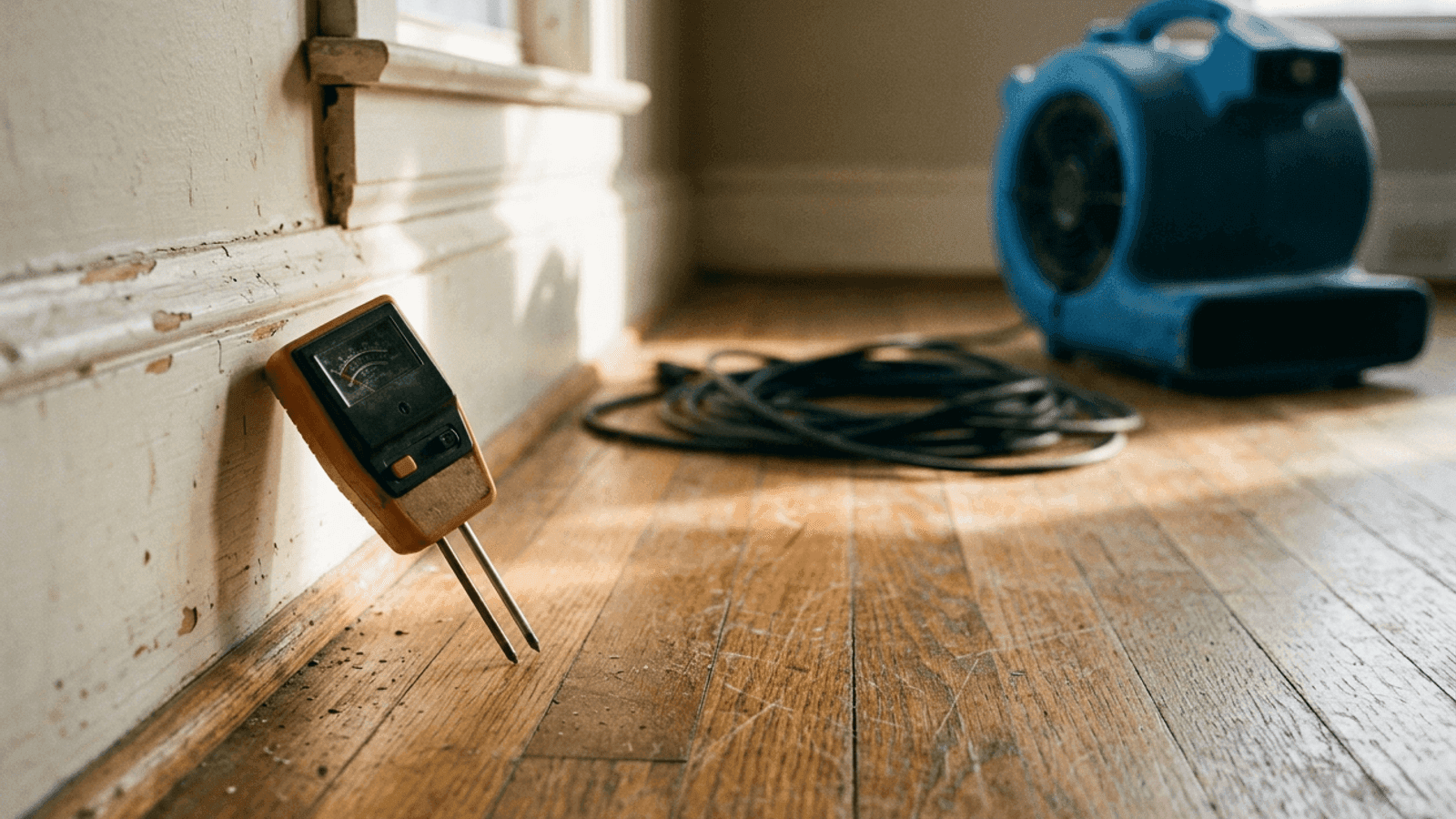
When the crew arrives, the work follows a sequence that has been refined across thousands of jobs in the restoration trade. First comes extraction: pulling the standing water out with truck-mounted and portable units before it can travel any farther. Then comes the part most homeowners never see — the search for moisture that has already migrated. Technicians read walls and floors with meters and thermal imaging, mapping the wet edge of the damage so that nothing gets sealed up while it is still damp. A wall that feels dry to the hand can hold enough moisture to grow mold for weeks.
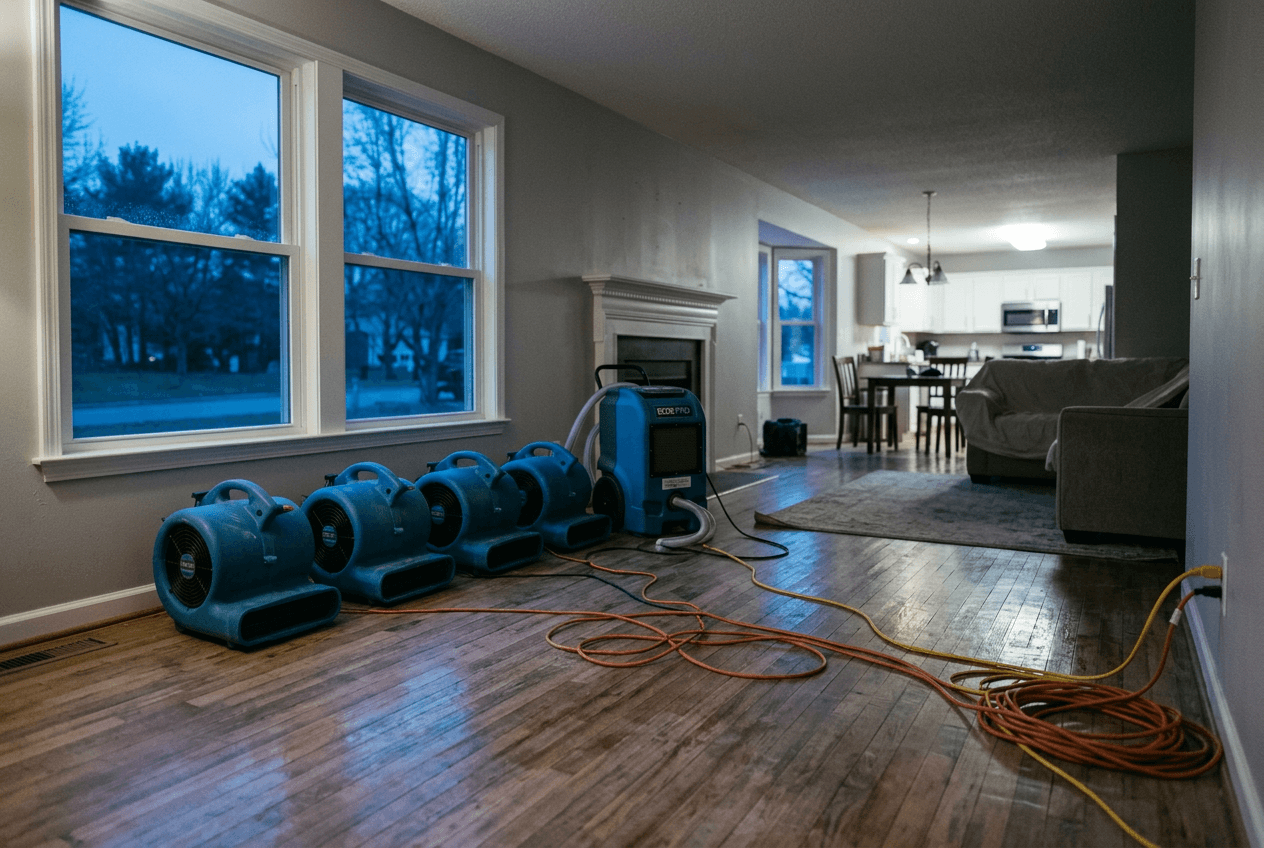
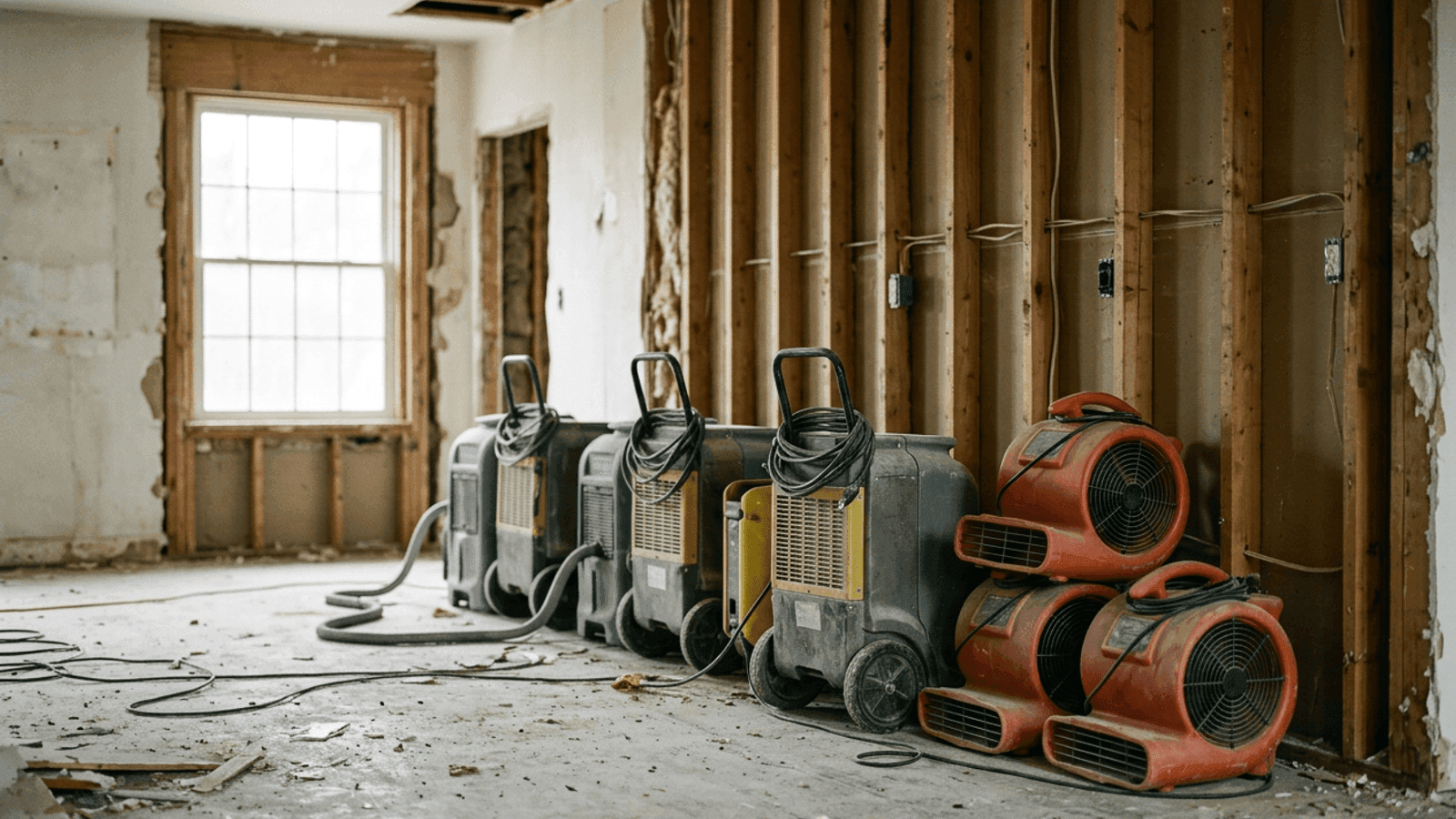
Only then does the drying begin in earnest. Air movers are placed to push air across wet surfaces, dehumidifiers pull the moisture out of the air, and the whole assembly runs for days while the readings are checked and logged. It is a deliberately patient process layered on top of an urgent one: get there fast, then dry slowly and completely. Done right, much of what looked ruined on the first night can be saved. Done in a hurry, or skipped, and the homeowner is back in a few months with a darker stain and a worse smell, wondering where it came from.
When fire and smoke leave their mark
Water is the company's name, but it is not the whole of the work. Fire and smoke damage bring their own complications, and in much of northern Arizona the threat is never far off — a kitchen flare-up, an electrical fault, the long shadow of wildfire season. The visible char is only part of the problem. Smoke travels into ductwork and porous surfaces, and the acidic residue it leaves behind keeps etching metal, glass, and finishes long after the flames are out. A house can survive a small fire and still be slowly damaged by what the smoke left behind.
Restoration after a fire is as much about odor and residue as it is about the burned material itself. It means cleaning surfaces that look untouched, treating the smell at its source rather than masking it, and coordinating the structural repairs that follow. There is an irony built into the trade, too: putting out a fire creates a water loss, and the same crew that handles the smoke is often drying out the rooms the hoses soaked. Having both capabilities under one roof means a homeowner is not stitching together two different companies in the worst week of their year.
Mold, and the case for moving fast
Mold is the consequence the industry spends most of its energy trying to prevent. Given moisture, the right temperature, and a day or two of neglect, it will establish itself inside walls, under flooring, and in the corners of rooms that rarely see daylight. By the time it is visible, it has usually been growing for a while out of sight, and remediation becomes a containment problem as much as a cleaning one — sealing off the affected area, removing what cannot be salvaged, and treating what remains so the spores do not simply move down the hall.
This is the clearest argument for calling a restoration company early rather than waiting to see whether a small leak dries on its own. Most mold jobs are water jobs that were not caught in time. The crew that responds to a fresh leak fast enough is, in effect, doing mold prevention before there is any mold to prevent. That preventive logic runs through everything the company does — the goal is to reach a loss while it is still only a water problem, before it has had the chance to become something that requires masks, containment barriers, and a much larger bill.
They were extremely helpful, understanding, and professional. They worked with me and my weird work schedule, and helped me with the insurance portion.
Sewage, and the jobs no one wants to think about
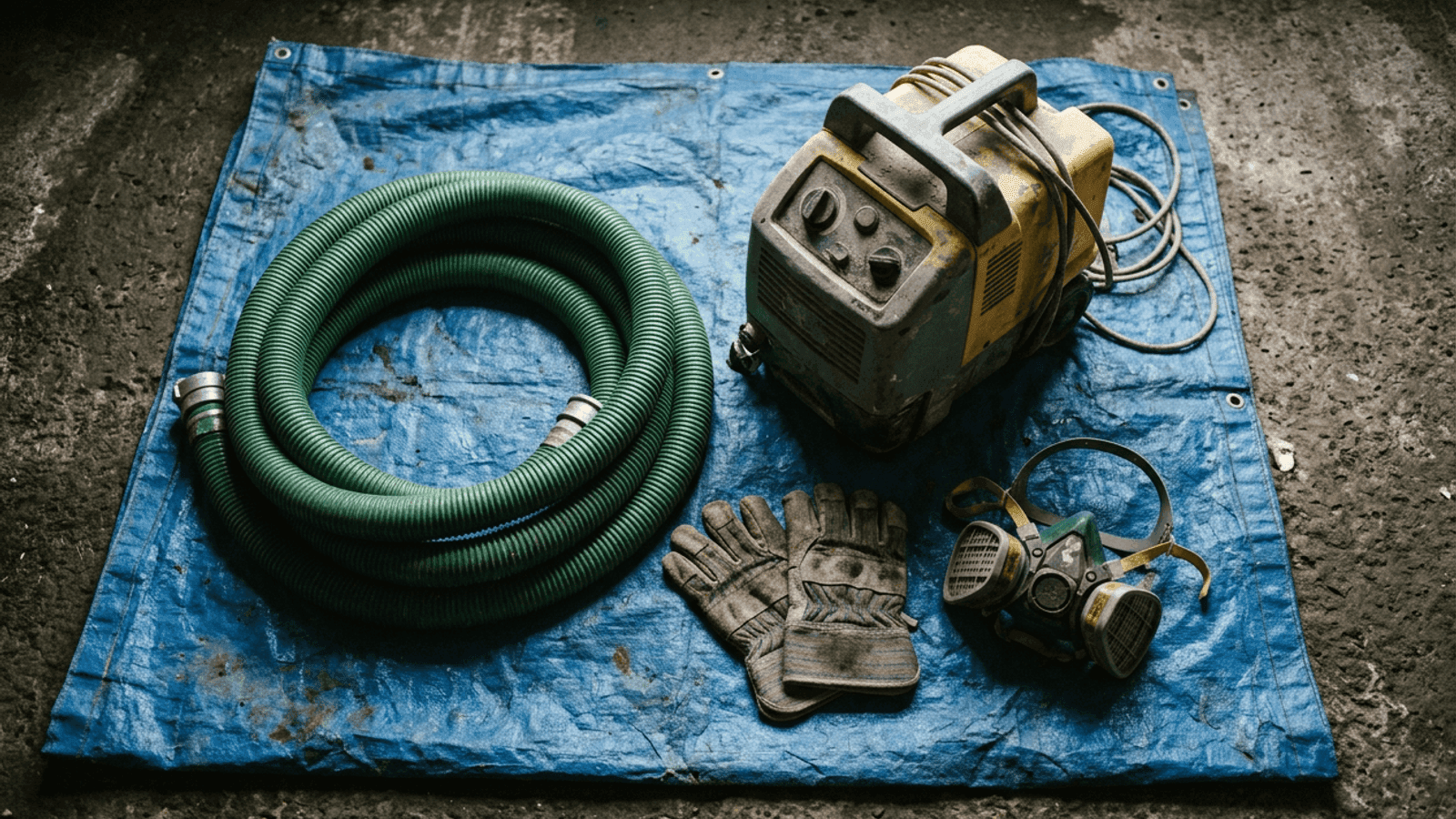
Some calls are simply unpleasant, and a restoration company that is honest about its work does not pretend otherwise. Sewage backups, septic failures, and overflowing drains are biohazards, not just messes, and they cannot be handled with a mop and good intentions. The water that comes up through a floor drain carries bacteria and contaminants that make the cleanup a question of safety as much as restoration, which is why it calls for protective equipment, proper disposal, and disinfection rather than a quick wipe-down.
These are the jobs that separate a full-service restoration crew from a carpet cleaner with a wet vacuum. Handling contaminated water means knowing what has to be thrown away, what can be salvaged, and how to make a space genuinely safe to live in again rather than merely dry. For a homeowner standing over a flooded laundry room at midnight, the relief is less about the equipment than about handing the whole grim problem to someone who has seen it before and is not flustered by it.
The insurance maze, and a guide through it
There is a second flood that follows the first, and it is made of paperwork. A water loss almost always means an insurance claim, and the claims process is where many homeowners feel most out of their depth — unsure what is covered, what to document, and what a fair settlement even looks like. It is also where a good restoration company quietly earns its reputation. Documenting the damage thoroughly, billing the carrier directly where possible, and helping a customer understand the process can be the difference between a smooth claim and a months-long argument.
It is a theme that surfaces again and again in what customers say about working with the company — the sense that someone was in their corner for the part of the ordeal that has nothing to do with water. For a family already rattled by a flooded home, having a crew that handles the insurance conversation as competently as it handles the drying equipment removes the second source of stress before it can take hold. The restoration is the visible job. Guiding a homeowner through the claim is the one they remember.
Certified, vetted, and accountable
Restoration is a trade with real standards behind it, and the credentials are not decoration. The company's technicians are certified through the IICRC — the Institute of Inspection, Cleaning and Restoration Certification, the body that sets the benchmarks for how water, fire, and mold jobs are supposed to be done. It is also an EPA Lead-Safe Certified Firm, which matters in a region full of older homes where a renovation can disturb lead paint, and it operates licensed, bonded, and insured.
Just as important is who actually walks through the door. The crews are background-checked and drug-tested, a small detail that carries real weight when the work happens inside someone's home, often when they are at their most vulnerable. Each job runs under a lead project manager rather than a rotating cast of strangers, so there is a single person accountable for the outcome from the first night through the final walkthrough. In a trade where homeowners are inviting workers into a flooded bedroom at an hour when no one is at their best, that accountability is not a marketing line. It is the whole relationship.
A territory as wide as the work
The name says Prescott and North Scottsdale, but the map is larger than that. From the Florentine Road base, the company covers a swath of central and northern Arizona that runs from Prescott and Prescott Valley out to Sedona, Cottonwood, Flagstaff, and the northern edge of the Scottsdale market — dozens of communities scattered across high desert and mountain country. It is a service area defined less by city limits than by how far a truck can reasonably reach when someone calls in the middle of the night.
That geography shapes the work. The high country sees hard freezes that the Valley rarely does, which means burst-pipe season is a genuine event here. Monsoon storms arrive fast and leave water in places that were dry an hour earlier. Wildfire risk colors the fire-and-smoke side of the business every summer. A restoration company that serves this stretch of Arizona is not dealing with one kind of loss but with whatever the season happens to be sending — and being local, rather than a Phoenix outfit driving up the hill, is most of why the response is quick enough to matter.
What happens when you call
The first call is meant to be the easy part. There is a real person on the line at any hour, a few questions to gauge what is happening and how bad it is, and a crew dispatched rather than an appointment scheduled for sometime next week. From there the sequence is the one the trade has spent decades refining: stop the source, extract the water, find the hidden moisture, dry it out completely, and handle the repairs and the insurance paperwork that follow. The homeowner's job, mostly, is to make the call and then get out of the way.
A flooded house is a bad night by any measure, but it does not have to become a bad season. The whole purpose of a company like 1-800 Water Damage of Prescott & North Scottsdale is to stand between the leak and the gut renovation — to reach a loss while it is still small, dry it before it turns into mold, and hand the place back looking like nothing happened. For homeowners across Prescott, Prescott Valley, and the high country who find themselves staring at water where it should not be, the number is the same at noon or at two in the morning: (928) 458-1428.