The Arizona kitchen renovation market runs differently than the national one. The resort aesthetic that defines the state's best hotels and the indoor-outdoor living philosophy that shapes its architecture combine to create expectations specific to this climate and this culture. Understanding them before you begin a renovation saves both money and disappointment.
01The indoor-outdoor connection
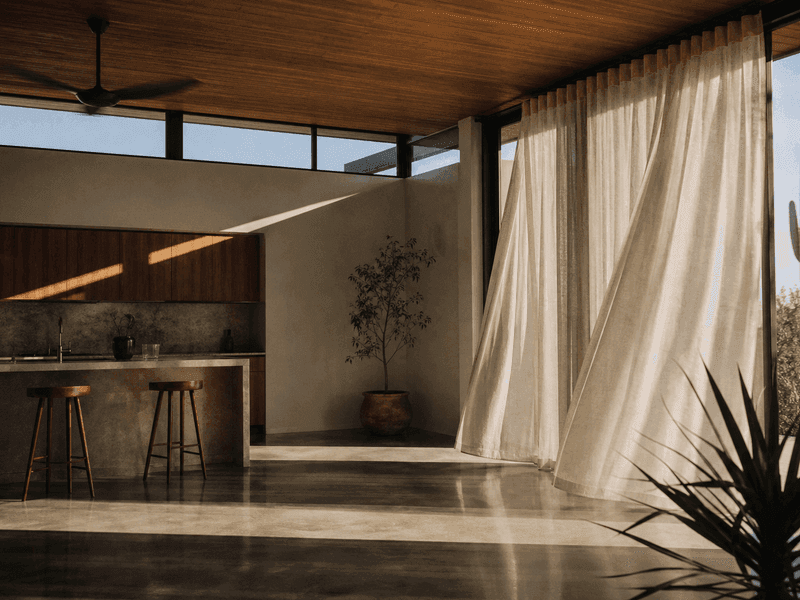
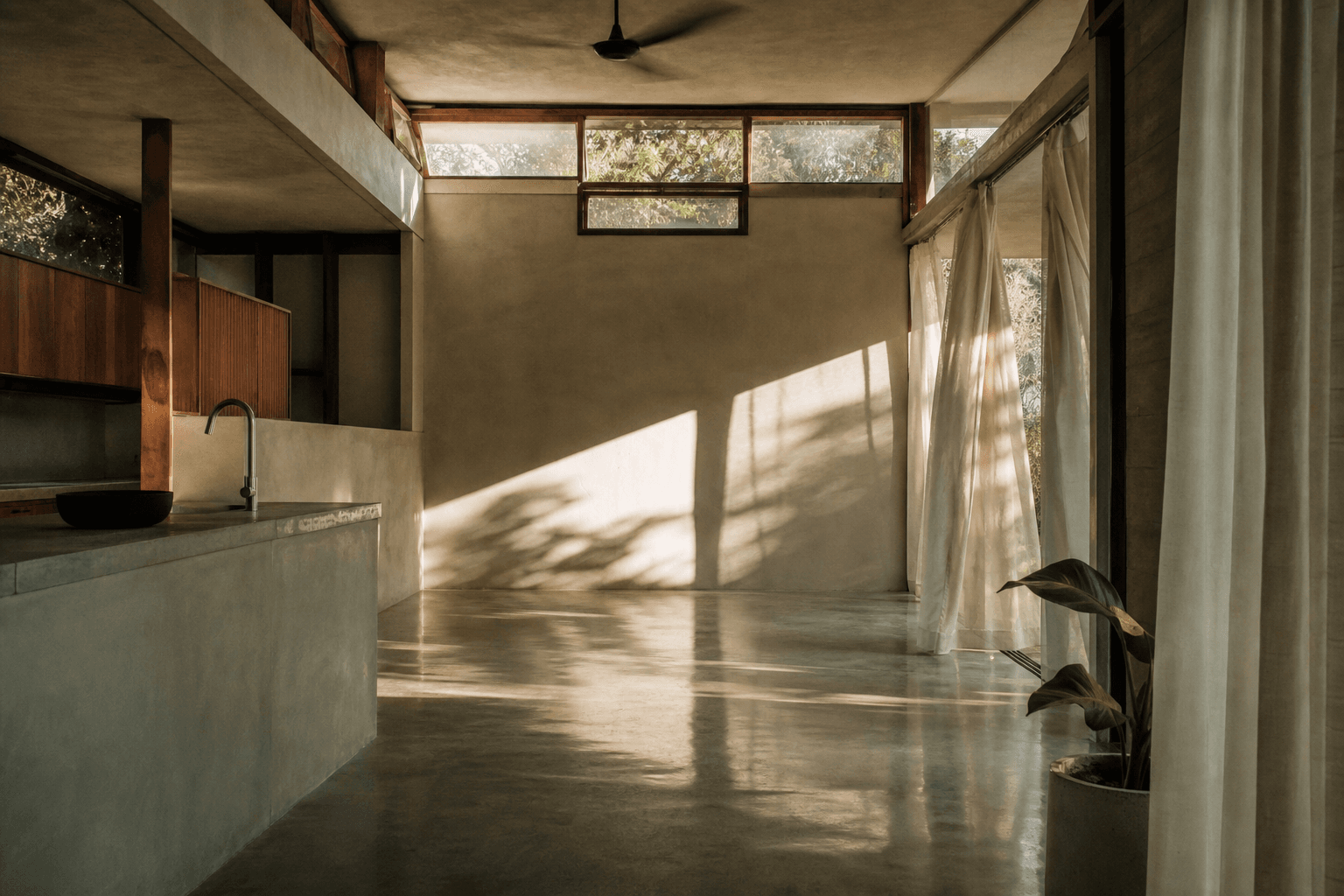
The most significant Arizona-specific design decision in a kitchen renovation is the relationship to outdoor space. Kitchens that open to a covered patio through multi-panel sliding or folding glass doors have become a defining feature of Scottsdale remodels above $200,000. The ability to create an uninterrupted cooking and entertaining space spanning indoor and outdoor is practical in Arizona for nine months of the year.
This connection requirement shapes layout. The kitchen triangle, the classic relationship between refrigerator, sink, and range, gets supplemented by a fourth point: the outdoor grill. Designers working in Arizona plan traffic flow around hosts moving between indoor kitchen and outdoor cooking stations without interrupting the flow of guests.
02Materials that work in the desert
Quartzite has become the dominant countertop material in Arizona high-end kitchens, preferred over marble for its scratch and heat resistance and over quartz composites for its natural appearance. White and light gray quartzite with dramatic veining reads well in the resort aesthetic that drives Scottsdale design.
Cabinet finishes have moved toward warm whites, greiges, and natural wood tones. Two-tone kitchens, with upper cabinets in a light color and a contrasting island in a warm wood or deep blue-green, have been the mainstream design direction since 2022 and remain current. Some finishes that look right in a showroom fail in rooms that get six hours of direct afternoon Arizona sun.
The biggest mistake I see is materials that look right in a showroom but don't perform in our heat and sun. You have to select for the actual light conditions in the room, not the showroom.
03The butler's pantry becomes standard
Butler's pantries, secondary food preparation and storage spaces adjacent to the main kitchen, have moved from luxury feature to expected inclusion in Arizona custom and semi-custom homes above 3,500 square feet. The driver is both functional, providing a staging and cleanup area that keeps the main kitchen presentable during entertaining, and aesthetic, allowing appliances to disappear from the main kitchen view.
In Arizona, the butler's pantry is often designed as a secondary bar and beverage center for entertaining, with a refrigerator drawer, wine storage, and a second sink. The additional plumbing and electrical for this space adds $8,000 to $15,000 to renovation costs but consistently tests as a high-value feature for resale.
04Appliance packages in 2026
Sub-Zero and Wolf remain the default specification for renovations above $200,000. Thermador and Miele occupy the mid-luxury tier. Bosch has become the default for the $85,000 to $150,000 renovation budget. The shift toward induction cooking has accelerated, particularly for younger buyers who prefer the cooktop safety and cleaning ease.
Range hoods have become architectural statements in the open-plan kitchens that dominate Arizona design. Statement hoods in plaster, walnut, or custom metalwork run $3,000 to $12,000 and are often the focal point of the kitchen's visual composition.
05Project timeline and contractor selection
A full kitchen renovation in Scottsdale currently runs 8 to 16 weeks from demolition to final punch list. Extended timelines are driven by custom cabinetry lead times, which run 10 to 14 weeks for most quality manufacturers, and the limited availability of skilled finish tradespeople in a market that has been continuously busy since 2020. Plan the cabinetry order first. Homeowners who begin demolition without confirmed cabinetry delivery dates regularly add two to four months to their projects.