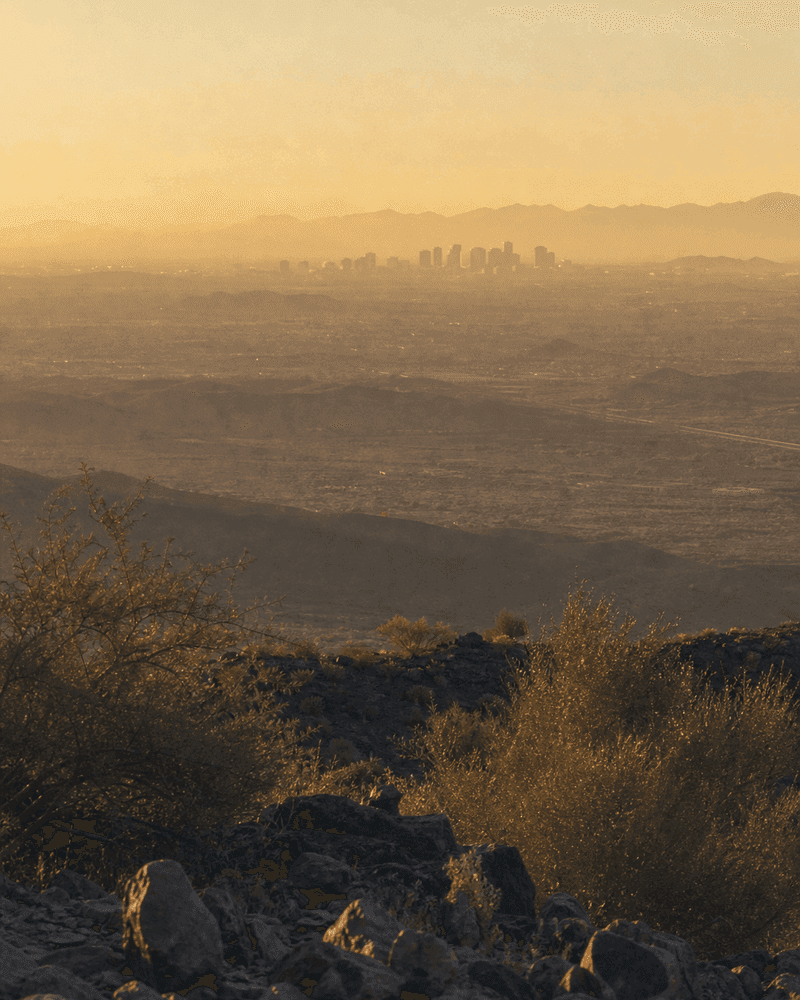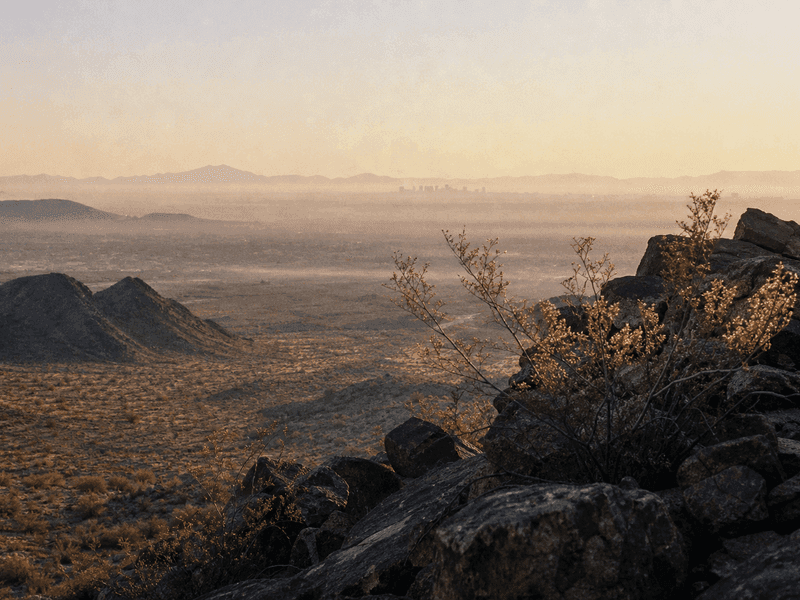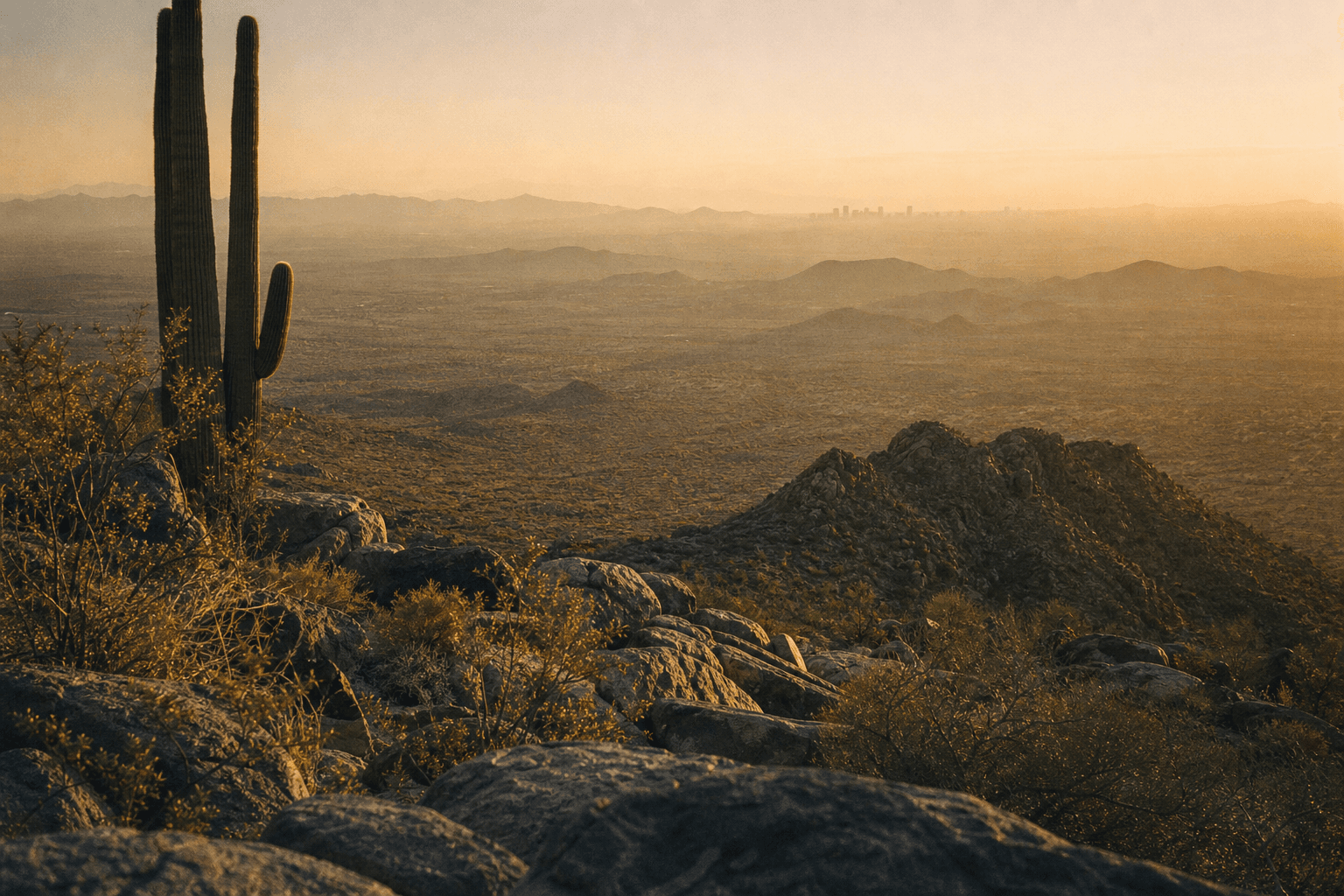
Phoenix averages 107 days above 100 degrees Fahrenheit per year. Tucson averages 73. Yuma, where summer temperatures routinely exceed 115, is in a category of its own. For the people who live here year-round and want to maintain serious fitness, the heat is not a deterrent. It is a variable to be understood and managed.
01What heat acclimatization actually does
The body adapts to heat with repeated exposure over 10 to 14 days. The adaptations are measurable and significant. Plasma volume expands by up to 10 percent, improving cardiovascular performance under thermal load. The sweat rate increases. The onset of sweating occurs at a lower core body temperature. Heart rate for a given workload decreases.
These adaptations are well-documented in the sports science and military physiology literature. Arizona State University's human performance researchers and the U.S. Army Research Institute of Environmental Medicine have both published extensively on the topic. The bottom line is that acclimatized individuals can exercise safely in conditions that would rapidly incapacitate unacclimatized individuals.
02Wet bulb temperature: the number that actually matters
Dry bulb temperature, what a standard thermometer reads in the shade, is not the best predictor of heat stress during exercise. Wet bulb globe temperature, which accounts for humidity, radiant heat from surfaces, and wind speed, is more accurate. In Phoenix's dry summer heat, low humidity means WBGT is often lower than air temperature alone would suggest.
That is the scientific basis for why Arizonans can tolerate conditions that look alarming on a weather app. A 108-degree day in Phoenix with 10 percent relative humidity carries lower actual heat stress than a 90-degree day in Miami with 80 percent humidity. Understanding this distinction changes how people train.
The athletes who struggle most in our desert heat are the ones who moved here from the Southeast. They know how to handle humidity. Dry heat is a completely different physiological challenge and it takes real adjustment.
03The genuine risks
Heat illness remains serious and occasionally fatal even for acclimatized individuals. Heat cramps are the first warning sign, painful muscle spasms caused by sodium depletion rather than dehydration per se. Heat exhaustion follows with heavy sweating, weakness, and elevated heart rate. Heat stroke, characterized by high core temperature and altered mental status, is a medical emergency with significant mortality risk.
The populations most at risk in Arizona are older adults, people on diuretics or medications that impair thermoregulation, and individuals who are new arrivals in summer months. The combination of high ambient temperature and the desert's aggressive dehydration effect through respiration creates hazards that are less visible than the ones athletes in humid climates learn to recognize.
04Hydration: more complicated than it looks
The standard advice to drink plenty of water is incomplete. Extended exercise in Arizona heat depletes sodium, potassium, and magnesium at rates that plain water cannot address. Hyponatremia, low blood sodium from drinking large volumes of water without electrolyte replacement, is a documented risk in endurance athletes who over-hydrate without replacing minerals.
Sports dietitians working with Arizona athletes generally recommend electrolyte supplementation for any exercise session exceeding 60 minutes in summer heat. Sweat sodium concentration varies significantly between individuals, which is why some athletes cramp at exertion levels that others tolerate without issue.
05How serious Arizona athletes train in summer
Competitive cyclists, triathletes, and runners in the Phoenix and Tucson areas largely shift their primary training sessions to before 6am from June through September. Heat training sessions are deliberately planned for late morning as acclimatization stimulus, kept shorter, and followed by aggressive cooling. Indoor training increases significantly. The athletes who try to maintain outdoor summer training volumes at the same intensity they carry in October typically get hurt. The ones who adapt their structure to the season arrive at fall training blocks fitter than people who abandoned outdoor training entirely.