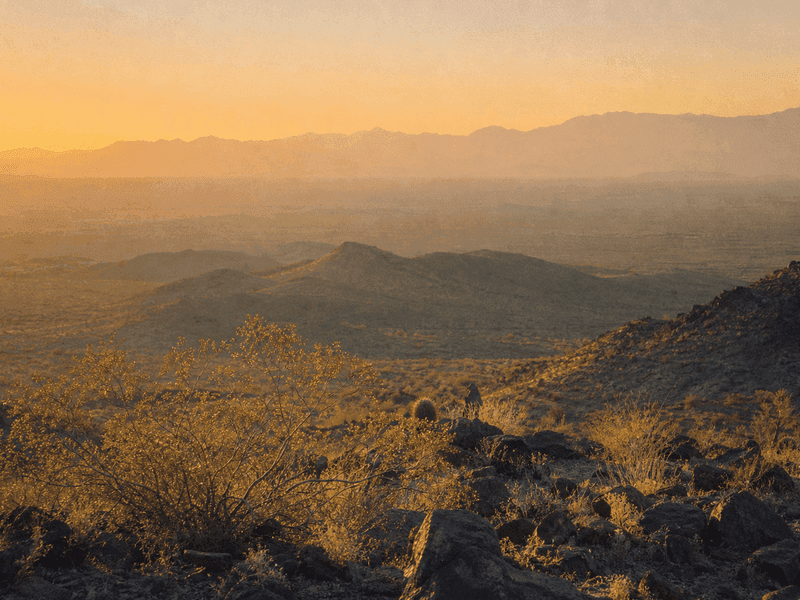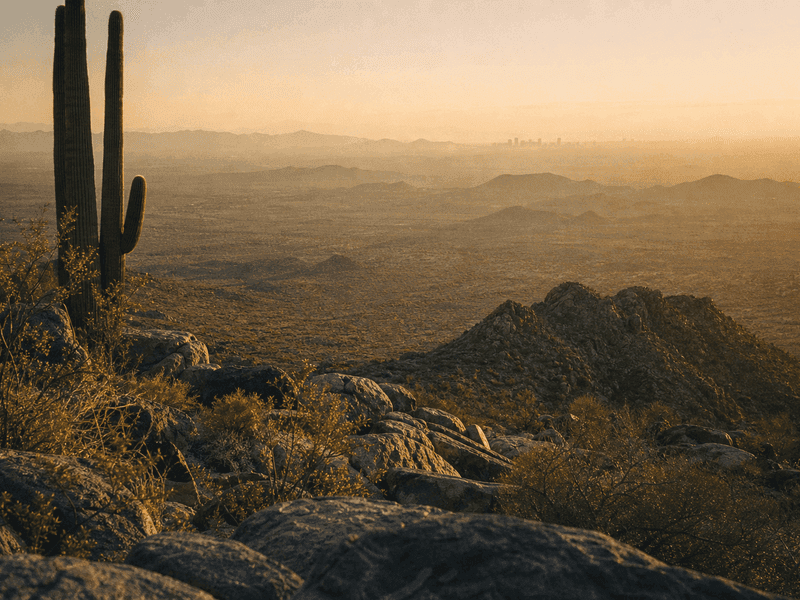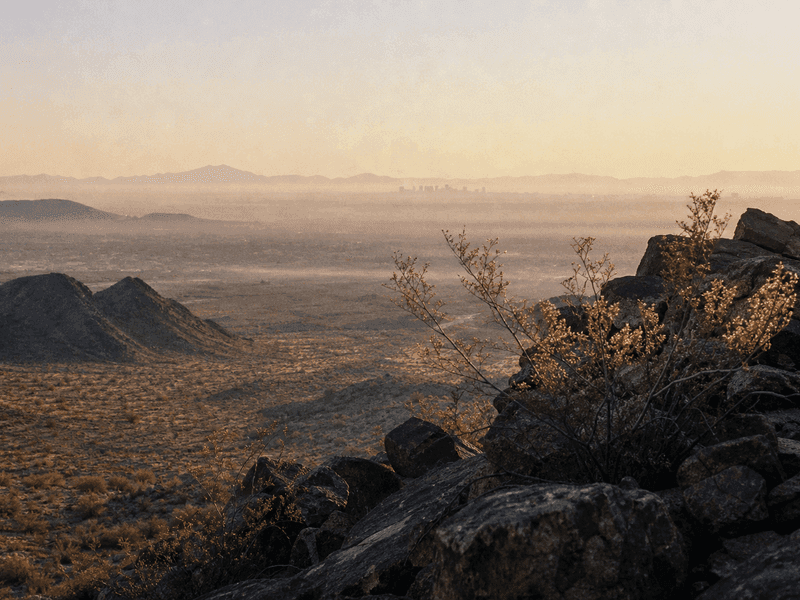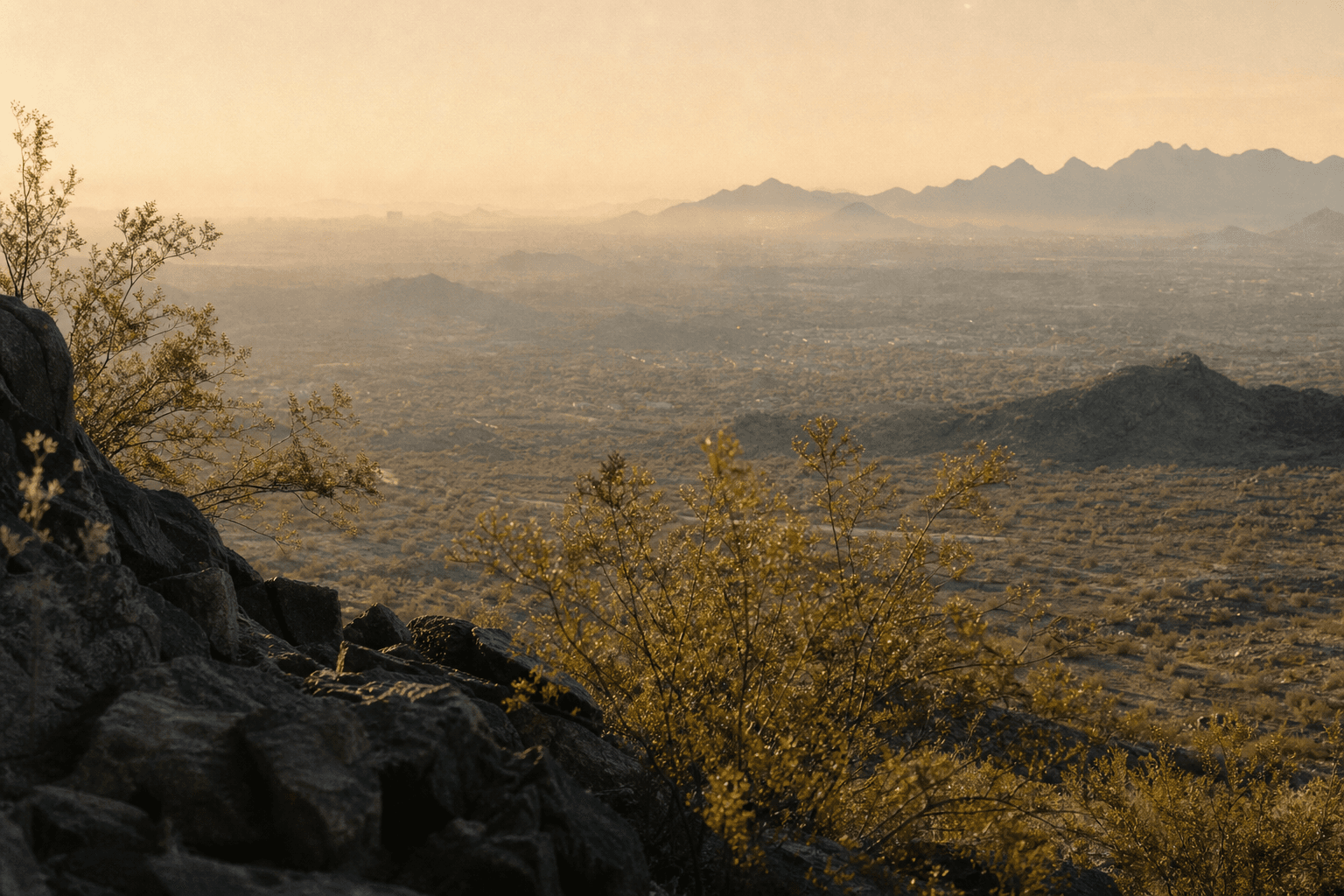
Boynton Canyon has been considered a place of power for as long as anyone has written about it. The Yavapai-Apache people regard the canyon as one of their origin sites. The red walls hold heat through the afternoon and release it slowly after dark. Enchantment Resort built into this landscape in 1987, and Mii Amo opened within it in 2001. The $30 million renovation completed in 2024 is the most significant change the spa has seen since it opened.
01What was renovated
The renovation expanded Mii Amo's treatment room count from 16 to 22 and added a new hydrotherapy circuit that had not existed in the original design. Cold plunge pools, a Finnish sauna, and an infrared sauna are now part of the facility's thermal progression pathway, language the spa industry adopted partly from European wellness culture and partly from the scientific literature on cold and heat exposure.
The guest room block was updated with materials that reference the canyon more explicitly, sandstone textures, terracotta, raw linen, rather than the more neutral desert-adjacent palette of the original build. The lobby was redesigned to extend the indoor-outdoor boundary.
02The programming philosophy
Mii Amo has always positioned itself as a destination spa rather than a day spa, meaning the experience is built around multi-night stays and programmatic arcs rather than individual treatments. The post-renovation programming leans into what the spa calls Journeys, themed 3 to 7 night packages that combine bodywork, movement classes, culinary programming, and land-based experiences in the canyon.
The new hydrotherapy circuit is designed to anchor each day with a structured thermal sequence. Morning in the cold plunge and sauna, afternoon treatments, evening restorative work. The cadence is borrowed from European medical spa tradition but set against a landscape that has nothing European about it.
What people come to Sedona for is irreducible. The canyon does something that a treatment room in a city hotel cannot replicate. The renovation was about getting the built environment out of the way of that.
03The Sedona wellness economy
Mii Amo is the flagship but it operates inside a broader Sedona wellness economy that has grown substantially over the past decade. The town of roughly 10,000 permanent residents supports more healing arts practitioners per capita than almost any comparable American city. Energy work, crystal healing, sound baths, and vortex tours coexist with more conventionally credentialed therapeutic services.
The tension between scientifically grounded wellness and spiritually oriented wellness is something Mii Amo navigates deliberately. The renovation introduced more biomarker-adjacent programming, VO2 max assessments, sleep tracking during stays, and nutrition consultations with registered dietitians, without abandoning the land-based and ceremonially inspired experiences that made the spa distinctive.
04Who visits and what they pay
Mii Amo's guest profile skews toward women between 40 and 65, often traveling with a friend or partner, from California, the Northeast, and the Chicago area. The post-renovation pricing reflects the capital investment. A 3-night Journey package starts around $3,200 per person and can run significantly higher with upgraded rooms and premium treatment add-ons.
Waitlists for peak season dates, March through May and October through November, now extend 90 days. The renovation has not reduced demand. If anything, the press coverage of the project introduced Mii Amo to a younger, more travel-publication-oriented audience than the spa's traditional word-of-mouth customer.
05Getting there from Scottsdale and Phoenix
The drive from Scottsdale is approximately 2 hours on I-17 north and then Arizona 179 into Sedona. Enchantment Resort is at the end of Boynton Canyon Road, a dead end that adds to the sense of arrival. There is no commercial airport in Sedona; the Sedona Airport handles small private aircraft. The vast majority of guests drive from Phoenix, Scottsdale, or Flagstaff, or fly into Sky Harbor and rent a car.